|
Legal & Tax Disclosure
ATTORNEY ADVERTISING.
This article is provided for general informational purposes only and does not constitute legal, financial, or tax advice. Reading this content does not create an attorney-client or professional advisory relationship. Laws vary by jurisdiction and are subject to change. You should consult a qualified professional regarding your specific circumstances. |
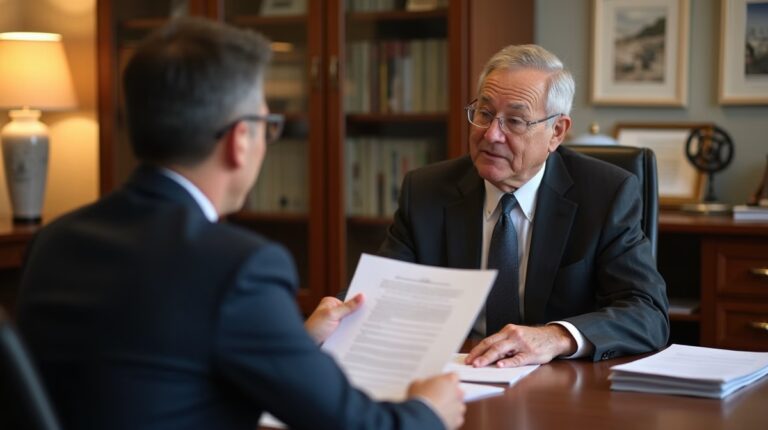
Emily just received a notice from the executor of her mother’s estate listing the appraised value of the estate’s assets – and the numbers are shockingly low. She believes the executor purposefully undervalued everything to minimize capital gains taxes and reduce their commission. Emily is facing a potential $40,000 loss in inheritance because of this, and she’s unsure how to fight back.
As an estate planning attorney and CPA with over 35 years of experience here in Moreno Valley, I’ve seen this scenario play out far too often. Executors have a legal duty to act with impartiality and diligence, and that includes obtaining fair and accurate appraisals of estate assets. However, that doesn’t always happen. Often, they hire low-cost appraisers, rush the process, or simply accept a valuation that benefits them at the expense of the beneficiaries. Fortunately, California law provides several avenues to challenge an inventory and appraisal.
What’s Included in the Inventory and Appraisal?
The initial inventory and appraisal, filed within 90 days of the executor’s appointment, is a crucial document. It lists all the estate’s assets – real estate, bank accounts, investments, personal property – and their appraised “fair market value” as of the date of death. This value is the foundation for calculating estate taxes (if applicable) and ultimately, the distribution to beneficiaries. It’s not a subjective opinion; it needs to be a reasoned, documented valuation.
How Do You Formally Object?
You can’t simply send a letter to the executor disputing the values. A formal objection must be filed with the Probate Court. This is typically done via a Probate Code § 850 Petition. Think of it like filing a lawsuit within the probate case. The petition clearly outlines which assets you believe are undervalued and provides evidence supporting your position. It must be served on the executor and all other interested parties, giving them an opportunity to respond.
What Evidence Is Needed to Win?
This is where my CPA background becomes invaluable. The court needs more than just your opinion. You’ll need solid evidence to demonstrate the true fair market value. This might include:
- Independent Appraisals: Hire a qualified, independent appraiser specializing in the specific asset type (e.g., real estate appraiser, art appraiser, jewelry appraiser).
- Recent Sales Data: Gather comparable sales data from the relevant geographic area. For real estate, this means “comps” of similar properties sold around the date of death.
- Expert Testimony: In complex cases, you might need to bring in an expert witness to testify about the valuation methodology and why the executor’s appraisal was flawed.
- Documentation of Executor Misconduct: If you suspect the executor intentionally undervalued assets, any evidence of that – emails, communications, rushed appraisals – is crucial.
What Happens After You File?
Once the objection is filed, the court will schedule a hearing. Both sides will present their evidence, and the judge will ultimately decide the fair market value of the disputed assets. It’s important to remember that this isn’t about simply proving your desired value. It’s about proving the correct value based on objective evidence.
What if the Executor Refuses to Cooperate?
Executors sometimes stonewall beneficiaries, refusing to provide requested documents or information. In this case, you have powerful tools at your disposal. Under Probate Code § 1000, beneficiaries have the same discovery rights as parties in a civil lawsuit. This means you can issue Subpoenas for bank records, brokerage statements, and even compel the executor’s Depositions to answer questions under oath.
Who Pays for All of This?
The cost of challenging an inventory and appraisal can be substantial, but it’s often worth it if a significant amount of inheritance is at stake. Generally, an executor is entitled to use estate funds to Defend the Estate against valid challenges ( Probate Code § 8250). However, if the executor’s actions were improper – such as hiring a biased appraiser or intentionally concealing information – they may have to pay their own legal fees.
This is a complex area of law. Don’t risk losing a substantial portion of your inheritance by trying to navigate it alone. If you suspect an executor has undervalued estate assets, contact me for a consultation. We can review your case, assess your options, and develop a strategy to protect your rights.
What determines whether a California probate estate closes smoothly or turns into litigation?

California probate is designed to provide court-supervised transfer of property, yet cases often break down when authority is unclear, required steps are missed, or disputes arise over assets, notice, and fiduciary conduct. When the process is misunderstood, families can face avoidable delay, escalating conflict, and increased exposure to creditor issues, hearings, or litigation before the estate can close.
To close an estate cleanly, you must understand the requirements for closing the estate, prepare a detailed estate accounting requirements, and ensure the plan for final distribution is court-approved.
California probate is most manageable when authority is documented early, assets are classified correctly, and procedure is followed consistently from petition through closing. When the process is approached with realistic expectations about notice, claims, accounting, and dispute risk, the estate is more likely to move toward closure without avoidable conflict or delay.
Verified Authority on California Probate Litigation
-
Double Damages (Bad Faith Taking): California Probate Code § 859
The “nuclear option” of probate litigation. If the court finds that a person has in bad faith wrongfully taken, concealed, or disposed of property belonging to the estate, the judge may assess liability for twice the value of the property, in addition to recovering the asset itself. -
Grounds for Removal of Executor: California Probate Code § 8502
This statute lists the specific legal reasons a judge can fire a Personal Representative. Common grounds include wasting or mismanaging assets, neglecting the estate (moving too slow), or having an incurable conflict of interest with the beneficiaries. -
The “850 Petition” (Title Disputes): California Probate Code § 850
Probate litigation often revolves around ownership. This powerful petition allows the probate court to solve title disputes without filing a separate civil lawsuit. It is used when an asset is titled to a third party but belongs to the estate (or vice versa). -
Presumption of Undue Influence (Caregivers): California Probate Code § 21380
To prevent elder abuse, California law makes it incredibly difficult for paid caregivers to inherit from their patients. The law presumes the gift was the result of undue influence, forcing the caregiver to prove their innocence in court, often requiring a “Certificate of Independent Review.” -
Civil Discovery Rules Apply: California Probate Code § 1000
Probate is not just administrative; it is a court of law. This code section confirms that the standard rules of civil practice apply. This means litigators can use interrogatories, depositions, and demands for production of documents to build their case against a rogue executor. -
Extraordinary Fees (Litigation Costs): California Probate Code § 10811
Litigation is not covered by the standard statutory fee. Attorneys can petition the court for “extraordinary fees” for litigation services (e.g., defending a will contest or recovering stolen property). These fees are billed hourly and must be approved by the judge.
|
Attorney Advertising, Legal Disclosure & Authorship
ATTORNEY ADVERTISING.
This content is provided for general informational and educational purposes only and does not constitute legal, financial, or tax advice. Under the California Rules of Professional Conduct and State Bar advertising regulations, this material may be considered attorney advertising. Reading this content does not create an attorney-client relationship or any professional advisory relationship. Laws vary by jurisdiction and are subject to change, including recent 2026 developments under California’s AB 2016 and evolving federal estate and reporting requirements. You should consult a qualified attorney or advisor regarding your specific circumstances before taking action.
Responsible Attorney:
Steven F. Bliss, California Attorney (Bar No. 147856).
Local Office:
Moreno Valley Probate Law23328 Olive Wood Plaza Dr suite h Moreno Valley, CA 92553 (951) 363-4949
Moreno Valley Probate Law is a practice location and trade name used by Steven F. Bliss, Esq., a California-licensed attorney.
About the Author & Legal Review Process
This article was researched and drafted by the Legal Editorial Team of the Law Firm of Steven F. Bliss, Esq.,
a collective of attorneys, legal writers, and paralegals dedicated to translating complex legal concepts into clear, accurate guidance.
Legal Review:
This content was reviewed and approved by Steven F. Bliss, a California-licensed attorney (Bar No. 147856). Mr. Bliss concentrates his practice in estate planning and estate administration, advising clients on proactive planning strategies and representing fiduciaries in probate and trust administration proceedings when formal court involvement becomes necessary.
With more than 35 years of experience in California estate planning and estate administration,
Mr. Bliss focuses on structuring enforceable estate plans, guiding fiduciaries through court-supervised proceedings, resolving creditor and notice issues, and coordinating asset management to support compliant, timely distributions and reduce fiduciary risk. |