|
Legal & Tax Disclosure
ATTORNEY ADVERTISING.
This article is provided for general informational purposes only and does not constitute legal, financial, or tax advice. Reading this content does not create an attorney-client or professional advisory relationship. Laws vary by jurisdiction and are subject to change. You should consult a qualified professional regarding your specific circumstances. |
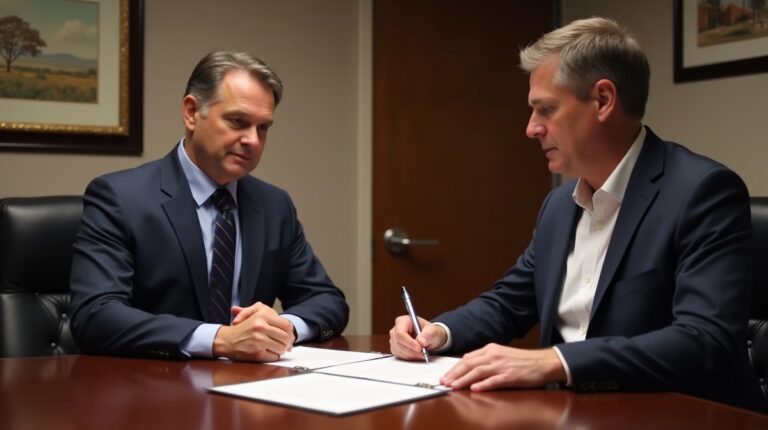
Emily was devastated. Her mother had passed away six months ago, leaving a trust with a beautiful home in Palm Springs and a brokerage account intended to provide for Emily’s children’s education. Emily’s uncle, Mac, was named trustee. Mac recently informed Emily he was “streamlining the trust” and had purchased the Palm Springs home from the trust for what he called “fair market value.” Emily quickly discovered Mac had taken out a mortgage against her children’s future inheritance to finance the purchase. The trust paperwork was meticulous, but Emily immediately feared she was being robbed, and the cost of litigation could be substantial.
As an estate planning attorney and CPA with over 35 years of experience, I see situations like Emily’s far too often. While not automatically illegal, a trustee selling assets to themselves is fraught with peril and subject to intense scrutiny by the courts. California law, and prudent practice, demands absolute transparency and fairness in such transactions. A trustee has a fiduciary duty to act in the best interest of the beneficiaries, and self-dealing creates an inherent conflict of interest.
What Constitutes Self-Dealing by a Trustee?
Self-dealing isn’t limited to a trustee directly purchasing assets. It extends to any situation where the trustee benefits personally from a transaction with the trust. This includes, but isn’t limited to:
- Buying or selling assets: As in Emily’s case, this is the most common form.
- Leasing assets: A trustee can’t lease trust property to themselves or a related party.
- Using trust assets for personal expenses: Even borrowing from the trust is considered self-dealing.
- Investing in businesses where the trustee has an ownership stake: Creating a conflict where the trustee’s personal financial success is linked to trust investments.
How Can a Trustee Legally Sell Assets to Themselves?
It’s not a complete prohibition, but the bar is very high. A trustee can sell assets to themselves only if they meet all of these conditions:
- Full Disclosure: The trustee must fully disclose the proposed transaction to all beneficiaries, outlining all terms and potential conflicts.
- Independent Appraisal: A qualified, independent appraiser must determine the fair market value of the asset. The appraisal should be free from any influence from the trustee.
- Court Approval (Highly Recommended): While not always legally required, seeking court approval provides significant protection for the trustee.
- Fair Market Value: The sale price must be at fair market value. Any discount to the trustee benefits the trustee and is a breach of fiduciary duty.
- Beneficiary Consent: Ideally, all beneficiaries should provide written consent to the transaction.
Even with all these safeguards in place, a court can still overturn the sale if it determines the transaction wasn’t truly in the best interest of the beneficiaries.
What Happens if a Trustee Violates the Self-Dealing Rule?
The consequences can be severe. Beneficiaries have several legal options available. We frequently see these types of petitions filed:
- Surcharge: The trustee can be personally liable to reimburse the trust for any losses resulting from the self-dealing transaction.
- Removal: The court can remove the trustee entirely, appointing a neutral successor to manage the trust. This is covered under Probate Code § 15642: “…beneficiaries can petition to remove a trustee not just for theft, but for ‘hostility or lack of cooperation’ that impairs the administration of the trust. You do not always need to prove a financial loss to remove a bad trustee.”
- Accounting: Beneficiaries can compel the trustee to provide a detailed accounting of all trust transactions under Probate Code § 16060 & § 16062: “…trustees have an affirmative duty to keep beneficiaries ‘reasonably informed’ and, in most cases, provide a formal accounting at least annually. If a trustee refuses, beneficiaries can file a petition to compel the accounting and potentially surcharge the trustee for legal fees.”
- Voiding the Transaction: The court can undo the sale, restoring the asset to the trust.
The CPA Advantage: Understanding Step-Up in Basis & Capital Gains
As a CPA as well as an attorney, I bring a unique perspective to these cases. Often, the true cost of a trustee’s self-dealing isn’t immediately apparent. For example, Emily’s uncle taking out a mortgage on the home might trigger capital gains taxes down the line, as the home’s basis will be lower than it would have been if the property remained within the trust. A proper valuation is critical, and understanding the implications of step-up in basis is essential for protecting the beneficiaries’ interests. We can ensure proper tax reporting and minimize unnecessary expenses.
What If the Asset is Already Sold?
If the sale has already occurred, it doesn’t mean all hope is lost. Beneficiaries may still be able to pursue legal remedies, including seeking a court order to undo the transaction or recover damages. However, acting quickly is crucial.
What determines whether a California probate estate closes smoothly or turns into litigation?

California probate is designed to provide court-supervised transfer of property, yet cases often break down when authority is unclear, required steps are missed, or disputes arise over assets, notice, and fiduciary conduct. When the process is misunderstood, families can face avoidable delay, escalating conflict, and increased exposure to creditor issues, hearings, or litigation before the estate can close.
To protect against specific family risks, review intestate succession conflicts, check for left-out heirs issues, and be vigilant for signs of elder financial abuse.
A stable probate administration outcome usually follows from clarity, consistency, and readiness for court review, especially when multiple stakeholders and competing interpretations are involved. When documentation supports enforcement and timelines are respected, families are less likely to face preventable escalation.
Verified Authority on California Beneficiary Rights
-
Statutory Notification Window (The “120-Day Rule”): California Probate Code § 16061.7
This is the most critical statute for beneficiaries. Once a trustee serves this formal notice, you have exactly 120 days to file a contest. If you miss this deadline, you are generally forever barred from challenging the validity of the trust, regardless of the evidence you have. -
Right to Accounting & Information: California Probate Code § 16060 (Duty to Inform)
Trustees have a mandatory legal duty to keep beneficiaries “reasonably informed” about the trust and its administration. Under Probate Code § 16062, most trustees must provide a formal financial accounting at least once a year. If they refuse, the court can compel them to do so. -
Inheriting Real Estate (Prop 19): California State Board of Equalization (Prop 19)
Beneficiaries must understand that inheriting a home no longer guarantees low property taxes. Under Prop 19, to avoid reassessment to current market value, the child must make the home their primary residence within one year of the parent’s death. -
No-Contest Clause Enforceability: California Probate Code § 21311
Fear of disinheritance often stops beneficiaries from fighting for their rights. However, this statute clarifies that a No-Contest clause is only enforceable if the contest is brought without “probable cause.” If you have a reasonable basis for your claim, your inheritance is likely safe. -
Recovering Trust Assets (Heggstad): California Probate Code § 850 (Heggstad Petition)
If a beneficiary finds that a parent intended an asset to be in the trust but failed to sign the deed or change the account title, a Section 850 Petition allows the court to “transfer” that asset into the trust without a full probate proceeding. -
Removal of a Bad Trustee: California Probate Code § 15642
Beneficiaries have the right to petition for the removal of a trustee who is unfit. Grounds for removal include excessive compensation, inability to manage finances, or “excessive hostility” toward beneficiaries that interferes with the trust’s administration.
|
Attorney Advertising, Legal Disclosure & Authorship
ATTORNEY ADVERTISING.
This content is provided for general informational and educational purposes only and does not constitute legal, financial, or tax advice. Under the California Rules of Professional Conduct and State Bar advertising regulations, this material may be considered attorney advertising. Reading this content does not create an attorney-client relationship or any professional advisory relationship. Laws vary by jurisdiction and are subject to change, including recent 2026 developments under California’s AB 2016 and evolving federal estate and reporting requirements. You should consult a qualified attorney or advisor regarding your specific circumstances before taking action.
Responsible Attorney:
Steven F. Bliss, California Attorney (Bar No. 147856).
Local Office:
Moreno Valley Probate Law23328 Olive Wood Plaza Dr suite h Moreno Valley, CA 92553 (951) 363-4949
Moreno Valley Probate Law is a practice location and trade name used by Steven F. Bliss, Esq., a California-licensed attorney.
About the Author & Legal Review Process
This article was researched and drafted by the Legal Editorial Team of the Law Firm of Steven F. Bliss, Esq.,
a collective of attorneys, legal writers, and paralegals dedicated to translating complex legal concepts into clear, accurate guidance.
Legal Review:
This content was reviewed and approved by Steven F. Bliss, a California-licensed attorney (Bar No. 147856). Mr. Bliss concentrates his practice in estate planning and estate administration, advising clients on proactive planning strategies and representing fiduciaries in probate and trust administration proceedings when formal court involvement becomes necessary.
With more than 35 years of experience in California estate planning and estate administration,
Mr. Bliss focuses on structuring enforceable estate plans, guiding fiduciaries through court-supervised proceedings, resolving creditor and notice issues, and coordinating asset management to support compliant, timely distributions and reduce fiduciary risk. |