|
Legal & Tax Disclosure
ATTORNEY ADVERTISING.
This article is provided for general informational purposes only and does not constitute legal, financial, or tax advice. Reading this content does not create an attorney-client or professional advisory relationship. Laws vary by jurisdiction and are subject to change. You should consult a qualified professional regarding your specific circumstances. |
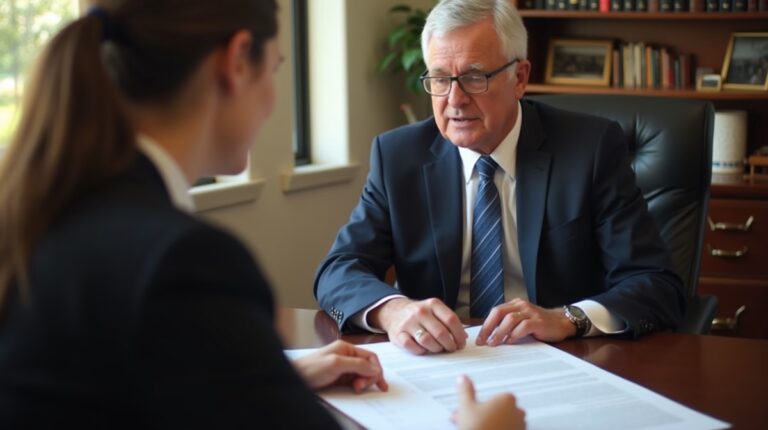
Emily just called, frantic. Her mother passed away last month, and Emily was named executor in the will. She printed out the will, and it looks… incomplete. There’s a single page missing – the page with the “catch-all” provision her mother promised would cover any asset she hadn’t specifically mentioned. Emily is terrified she’ll be sued by her siblings because she doesn’t know what to do with those forgotten assets, and estimates the potential legal fees at $10,000 or more just to defend the estate.
As an estate planning attorney and CPA with over 35 years of experience here in Moreno Valley, I deal with situations like Emily’s far too often. The missing piece she’s referring to is an omnibus clause – also known as a residuary clause – and its absence can create significant problems for estate administration.
What Does an Omnibus Clause Actually Do?

Essentially, an omnibus clause is a safety net. It’s a provision in a will or trust that directs the disposition of any assets not specifically identified elsewhere in the document. Think of it as the “everything else” provision. Without it, any property the testator (the person making the will) failed to explicitly bequeath or devise passes under California’s intestate succession laws – meaning it goes to heirs at law as if the testator died without a will at all. This can completely undermine the testator’s intended plan and lead to unintended consequences, like Emily’s predicament.
Why is it Important, Especially in California?
California has specific rules about how assets are distributed when a will doesn’t cover everything. The law dictates who gets what, and it might not align with the testator’s wishes. For example, someone might intend for a specific piece of artwork to go to a close friend, but if it’s not mentioned in the will, it could end up going to a distant relative.
How Does the CPA Advantage Come Into Play?
As a CPA, I’m uniquely positioned to help clients understand the tax implications of their estate plans. An omnibus clause isn’t just about who gets an asset, but also the tax consequences. Let’s say your mother had a brokerage account that grew significantly since she drafted her will. Without an omnibus clause directing that account to a specific beneficiary, it could end up being divided differently than intended, leading to unexpected capital gains taxes for the heirs. Properly structuring the clause can help minimize those taxes, potentially saving the estate and beneficiaries thousands of dollars. Understanding the step-up in basis is also critical—and that’s where my CPA background comes in handy.
What Kind of Language is Typically Used?
A well-drafted omnibus clause is broad and all-encompassing. It usually states something along the lines of, “I give and devise all the rest, residue, and remainder of my estate, of whatever kind and wherever situated, to [beneficiary’s name].” It’s important that the language is unambiguous and clearly identifies the beneficiary. You also need to consider contingent beneficiaries – what happens if the primary beneficiary predeceases the testator?
Common Mistakes to Avoid
-
Specificity Issues: The clause must be broad enough to encompass all assets, including those acquired after the will is drafted.
Conflicting Provisions: It’s crucial to ensure the omnibus clause doesn’t contradict any specific bequests in the will.
Lack of Contingent Beneficiaries: Always name alternate beneficiaries in case the primary beneficiary is no longer alive.
What Happens if There’s No Omnibus Clause?
As Emily found out, the absence of an omnibus clause can be a nightmare. The estate will be subject to California’s intestate succession laws, which prioritize distribution to spouses, children, and other relatives according to a strict statutory formula. This means your carefully crafted plan to leave assets to friends, charities, or specific individuals could be completely ignored. It will also lead to increased legal fees as the executor attempts to navigate the complexities of intestate succession and potentially defend against challenges from disgruntled heirs.
How Can I Make Sure My Estate Plan Includes a Proper Omnibus Clause?
The best way to ensure your estate plan is complete and effective is to consult with an experienced estate planning attorney. We can review your existing will or trust, identify any gaps, and draft an omnibus clause that accurately reflects your wishes. We’ll also consider the tax implications and ensure your plan minimizes potential liabilities for your heirs. It’s a small investment that can save your family a great deal of heartache and expense down the road.
How do enforcement rules in California probate court shape outcomes for heirs and fiduciaries?
California probate is designed to provide court-supervised transfer of property, yet cases often break down when authority is unclear, required steps are missed, or disputes arise over assets, notice, and fiduciary conduct. When the process is misunderstood, families can face avoidable delay, escalating conflict, and increased exposure to creditor issues, hearings, or litigation before the estate can close.
- Appearances: Prepare for the court hearing in probate.
- Rules: Follow strict procedural considerations.
- Tracking: Maintain case management logs.
Ultimately, the difference between a routine distribution and a protracted legal battle often comes down to preparation. By anticipating the demands of the Probate Code and addressing potential friction points with beneficiaries and creditors upfront, fiduciaries can navigate the system with greater confidence and lower liability.
Verified Authority on Closing a California Estate
-
Petition for Final Distribution: California Probate Code § 11600
This is the “finish line” document. It tells the court what bills have been paid, what assets remain, and exactly who gets what according to the Will or intestacy laws. The court must approve this petition before a single dollar is distributed to heirs. -
Waiver of Account: California Probate Code § 10954 (Waiver)
A powerful tool for speeding up the closing process. If all beneficiaries are competent adults and agree in writing, the executor can skip the detailed (and costly) formal financial accounting. This often saves the estate thousands of dollars in legal and accounting fees. -
Executor & Attorney Fees: California Probate Code § 10810 (Attorney Compensation)
Just like the executor, the probate attorney is entitled to statutory fees set by law, not by hourly billing. These fees are requested in the final petition and are paid only after the judge signs the final order. -
Receipt on Distribution: California Probate Code § 11751
Proof is required. After the judge orders distribution, the executor must deliver the assets and obtain a signed Receipt of Distribution from every beneficiary. These receipts must be filed with the court to prove the judge’s order was followed. -
Final Discharge: Judicial Council Form DE-295 (Ex Parte Petition for Final Discharge)
The final step often forgotten. Once all receipts are filed, the executor must file this form to be “discharged.” This order formally relieves the executor of their duties and cancels the bond, ending their legal liability. -
Tax Clearance: Franchise Tax Board (Estates & Trusts)
Before closing, the executor must ensure all personal income taxes of the decedent and fiduciary income taxes of the estate are paid. While a formal tax clearance certificate is not always required for smaller estates, personal liability for unpaid taxes remains a risk for the executor.
|
Attorney Advertising, Legal Disclosure & Authorship
ATTORNEY ADVERTISING.
This content is provided for general informational and educational purposes only and does not constitute legal, financial, or tax advice. Under the California Rules of Professional Conduct and State Bar advertising regulations, this material may be considered attorney advertising. Reading this content does not create an attorney-client relationship or any professional advisory relationship. Laws vary by jurisdiction and are subject to change, including recent 2026 developments under California’s AB 2016 and evolving federal estate and reporting requirements. You should consult a qualified attorney or advisor regarding your specific circumstances before taking action.
Responsible Attorney:
Steven F. Bliss, California Attorney (Bar No. 147856).
Local Office:
Moreno Valley Probate Law23328 Olive Wood Plaza Dr suite h Moreno Valley, CA 92553 (951) 363-4949
Moreno Valley Probate Law is a practice location and trade name used by Steven F. Bliss, Esq., a California-licensed attorney.
About the Author & Legal Review Process
This article was researched and drafted by the Legal Editorial Team of the Law Firm of Steven F. Bliss, Esq.,
a collective of attorneys, legal writers, and paralegals dedicated to translating complex legal concepts into clear, accurate guidance.
Legal Review:
This content was reviewed and approved by Steven F. Bliss, a California-licensed attorney (Bar No. 147856). Mr. Bliss concentrates his practice in estate planning and estate administration, advising clients on proactive planning strategies and representing fiduciaries in probate and trust administration proceedings when formal court involvement becomes necessary.
With more than 35 years of experience in California estate planning and estate administration,
Mr. Bliss focuses on structuring enforceable estate plans, guiding fiduciaries through court-supervised proceedings, resolving creditor and notice issues, and coordinating asset management to support compliant, timely distributions and reduce fiduciary risk. |